
flower pattern glass
The Importance of Taper Plug Gauges in Precision Measurement In the realm of engineering and manufacturing, precision is paramount. Components must fit together perfectly to ensure the functionality and longevity of machines and products. One of the critical tools used in this quest for accuracy is the taper plug gauge. This article will explore what taper plug gauges are, how they are used, and why they are vital in various industries. Understanding Taper Plug Gauges A taper plug gauge is a precision measuring instrument designed to check the dimensional accuracy of tapered holes in various components. Typically made of high-grade steel, these gauges feature a tapered shape that corresponds to the specifications of the hole being checked. The gauge is inserted into the hole, and the fit—or lack thereof—indicates whether the hole is within tolerance limits. Taper plug gauges come in various sizes and taper angles, and they may be categorized as either go or no-go gauges. A “go” gauge must fit into the hole if the component is made correctly, while a “no-go” gauge must not fit. This binary testing method is straightforward and effective, providing a quick assessment of a component's dimensional integrity. Applications in Various Industries Taper plug gauges are widely used across several sectors, including aerospace, automotive, and manufacturing. In the aerospace industry, for example, the precise fit of components is essential for safety and performance. Tapered holes often accommodate fastening systems, and any deviations from specified dimensions could lead to catastrophic failures. Thus, taper plug gauges are an integral part of quality assurance processes. taper plug gauge is used for checking In the automotive sector, these gauges are used to ensure that engine components, transmission systems, and other crucial parts meet stringent specifications. Given the high-performance nature of automotive applications, any miscalculation can result in reduced efficiency or, worse, accidents. Taper plug gauges help manufacturers maintain high standards of quality. In manufacturing settings, taper plug gauges facilitate the mass production of parts that must all adhere to exact specifications. When working with molds and dies, for example, a taper plug gauge can quickly determine if the manufactured items meet the required tolerances. Ensuring Quality Control The use of taper plug gauges is part of a broader quality control strategy that includes various measuring tools and techniques. Regular inspection of components using these gauges ensures compliance with industry standards and specifications. Any deviations can prompt corrective actions, whether that involves adjusting the manufacturing process or re-evaluating the design. Moreover, taper plug gauges contribute to cost-effectiveness. By minimizing the risk of defective parts, manufacturers can reduce waste and downtime, ultimately enhancing productivity. Investing in high-quality taper plug gauges can yield significant returns through improved efficiency and reliability. Conclusion In summary, taper plug gauges are indispensable instruments in the field of precision measurement. Their ability to quickly and accurately assess the dimensions of tapered holes ensures that components fit together correctly, aiding in the overall quality control process. Whether in aerospace, automotive, or manufacturing, the role of these gauges cannot be overstated. As industries continue to evolve and demand higher standards, the importance of reliable measuring tools like taper plug gauges will only grow. By utilizing such gauges, companies not only adhere to stringent requirements but also foster innovation and excellence in production practices.
about
flower pattern glass
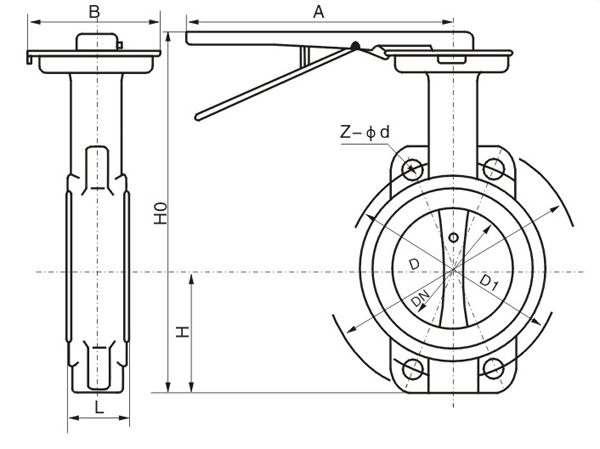
Understanding Flow Control Valve Prices Key Factors and Insights Flow control valves are essential components in various industries, including oil and gas, water treatment, HVAC systems, and many manufacturing processes. These valves regulate the flow of fluids, ensuring that systems operate efficiently and safely. Given their critical role, understanding the factors that influence flow control valve prices is vital for businesses and engineers alike. In this article, we will explore the key determinants of flow control valve pricing, market trends, and tips for making informed purchasing decisions. Key Factors Affecting Flow Control Valve Prices 1. Material Composition The materials used in the manufacturing of flow control valves significantly impact their price. Common materials include stainless steel, brass, and various plastics. Stainless steel valves tend to be more expensive due to their durability and resistance to corrosion, making them suitable for harsh environments. On the other hand, plastic valves may be cheaper but are often limited to less aggressive applications. 2. Type of Valve The specific type of flow control valve also plays a crucial role in determining its price. Common types include globe valves, ball valves, butterfly valves, and gate valves, each offering different flow characteristics and operational capabilities. For instance, ball valves are generally more costly due to their design, which allows for quick shut-off and minimal pressure drop. 3. Size and Pressure Rating Larger valves that can handle higher pressure ratings are typically more expensive. As the size and capacity of the valve increase, so does the complexity of manufacturing and the cost of materials. Valves designed for high-pressure applications require stringent testing and adherence to safety standards, further driving up costs. 4. Automation and Features Many modern flow control valves come equipped with advanced features such as actuators, positioners, and smart technology for remote monitoring and control. These additional functionalities can significantly increase the price of the valves. While automated valves offer convenience and efficiency, businesses must weigh the cost against the potential gains in operational efficiency. 5. Brand and Manufacturer Reputation The reputation of the manufacturer can also influence pricing. Established brands with proven reliability and quality often command higher prices compared to lesser-known manufacturers. While opting for a cheaper, less recognized brand may reduce initial costs, it can lead to higher maintenance costs and premature failures in the long run. 6. Market Trends and Economic Factors The pricing of flow control valves can fluctuate due to changes in market demand, supply chain disruptions, and economic conditions. For example, during periods of increased industrial activity, demand for valves may rise, leading to higher prices. Conversely, a downturn in the economy can result in decreased demand and lower prices. flow control valve price Market Trends in Flow Control Valves In recent years, there has been a noticeable trend towards the adoption of smart technology in flow control valves. The integration of IoT (Internet of Things) features allows for real-time monitoring and data analysis, resulting in improved efficiency and maintenance. However, these advanced valves often come with a higher price tag. Sustainability is another driving force in the market, with many manufacturers focusing on producing eco-friendly and energy-efficient valve solutions. This shift may increase upfront costs but can result in long-term savings through reduced energy consumption and environmental impact. Making Informed Purchasing Decisions When purchasing flow control valves, it's essential to consider not just the price, but also the total cost of ownership. Factors such as installation, maintenance, and energy consumption should be taken into account. Businesses should evaluate their specific needs and requirements, as well as seek quotes from multiple suppliers to ensure competitive pricing. Additionally, conducting thorough research on manufacturers and their product offerings can help identify reliable options that strike a balance between quality and cost. Investing in high-quality valves may yield higher upfront costs but can save money in the long run through reduced maintenance and downtime. Conclusion Understanding the factors that influence flow control valve prices is crucial for making informed purchasing decisions. By considering aspects such as material, valve type, size, automation features, and market trends, businesses can navigate the complexities of the valve market effectively. Ultimately, investing time in research and evaluation will lead to selecting the right flow control valve that meets operational needs while staying within budget constraints.
-

High quality industrial productsagement

High quality industrial products
View Details -

Meet the diverse needs of customers

Meet the diverse needs of customers
View Details -

Strict quality control

Strict quality control
View Details -

Top raw materials

Top raw materials
View Details -

Trusted supplier

Trusted supplier
View Details
Our application

news and information

Y Type Strainer Maintains System Efficiency Long Term
In the realm of industrial fluid management, the y type strainer stands as an unsung hero, silently

V-Block Designs for Efficient Machining Applications
V-Blocks for Machining An In-Depth Overview In the world of precision machining, the importance of e
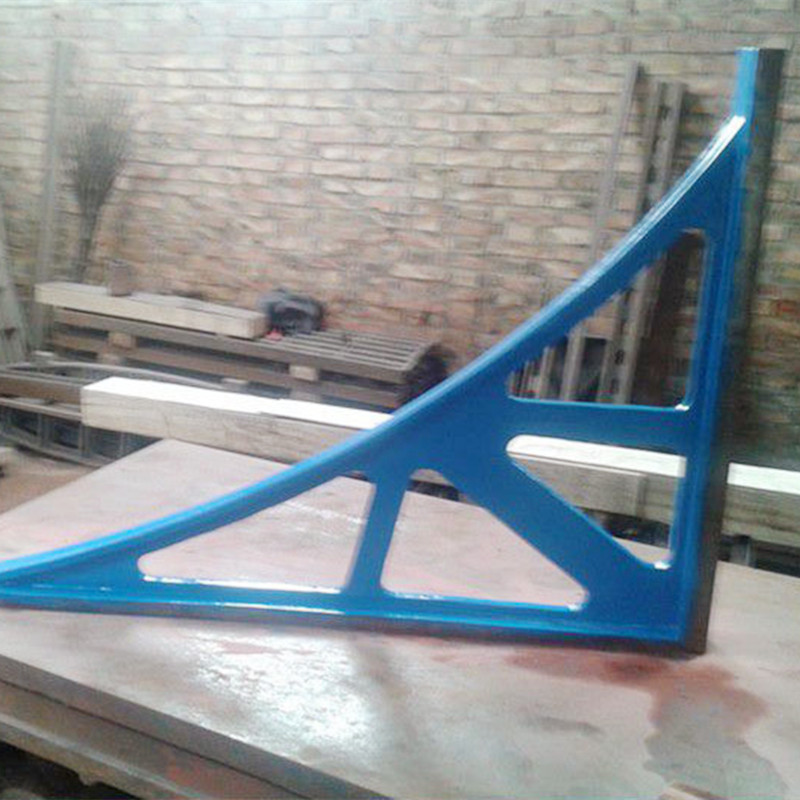
Versatile and Durable Metal Angle Brackets for Adjustable Applications in Home and Industrial Projec
The Versatility and Utility of Adjustable Metal Angle Brackets In the world of construction and DIY
 English